
Your Team Event Should Not Feel Like a Trip to Disneyland
Oct 01, 2026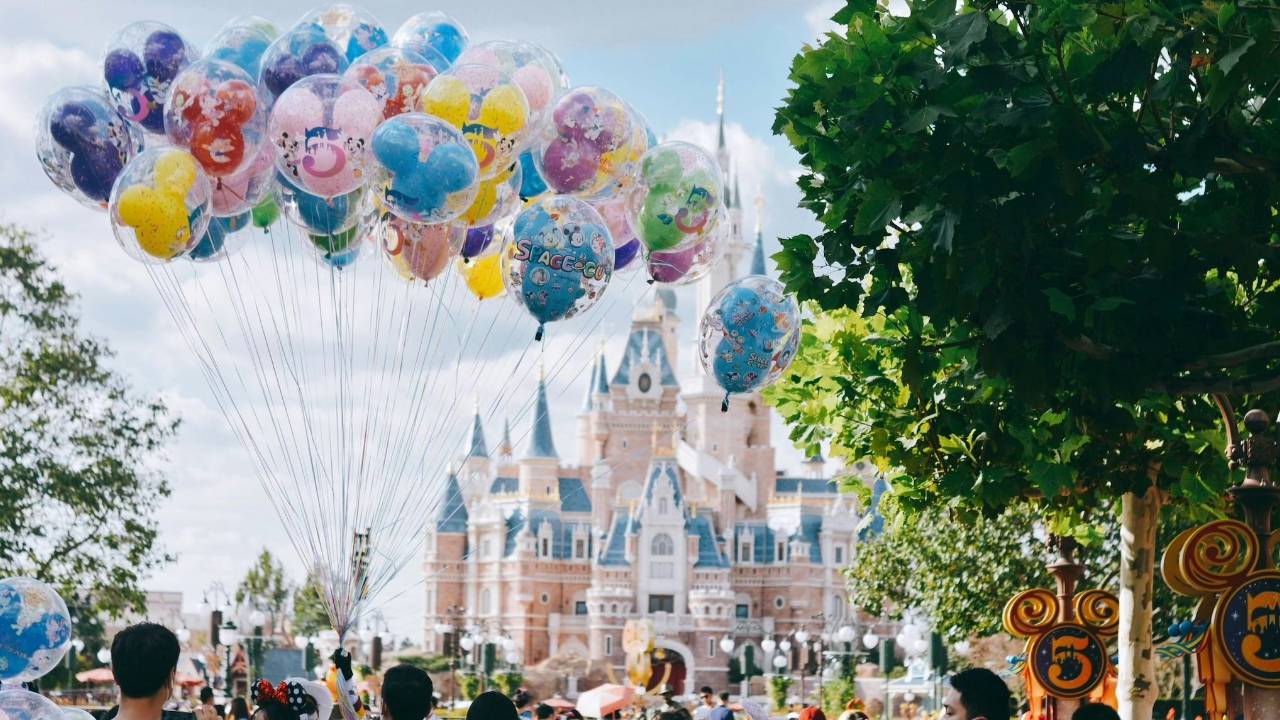
The modern team event is a curious piece of corporate design. It aims to bring people together, and it usually does so by taking them out of the places where they actually work.
A boat ride through the city centre.
A countryside hotel.
A converted warehouse.
A cooking class.
A ropes course.
If the budget allows, a theme park.
It's done with good intentions. To step away from the everyday, build connection, and send people back to their desks feeling more like a team.
Yet there is something theatrical about it. For a few carefully planned hours, colleagues live in a temporary world where collaboration is not just encouraged but choreographed.
In that sense, the team event has more in common with Disneyland than we might like to admit.
Disneyland Is Designed to Delight
Disneyland is a highly refined machine for producing shared experience. Movement is managed, distractions are curated, and every detail is built to trigger a particular feeling. Visitors know that world is artificial. The skill lies in making it feel real. And it works.
Disney is very good at what it sets out to do: delight.
The trouble is that a team event built on the same method ends up delivering the same thing.
The away day works in much the same way. Arrive at 9.30. Coffee. Icebreaker. Group exercise. Lunch. Competitive activity. Reflection session. Drinks. Dinner. The next morning, a facilitated workshop on "ways of working". The agenda promises spontaneity and leaves almost nothing to chance.
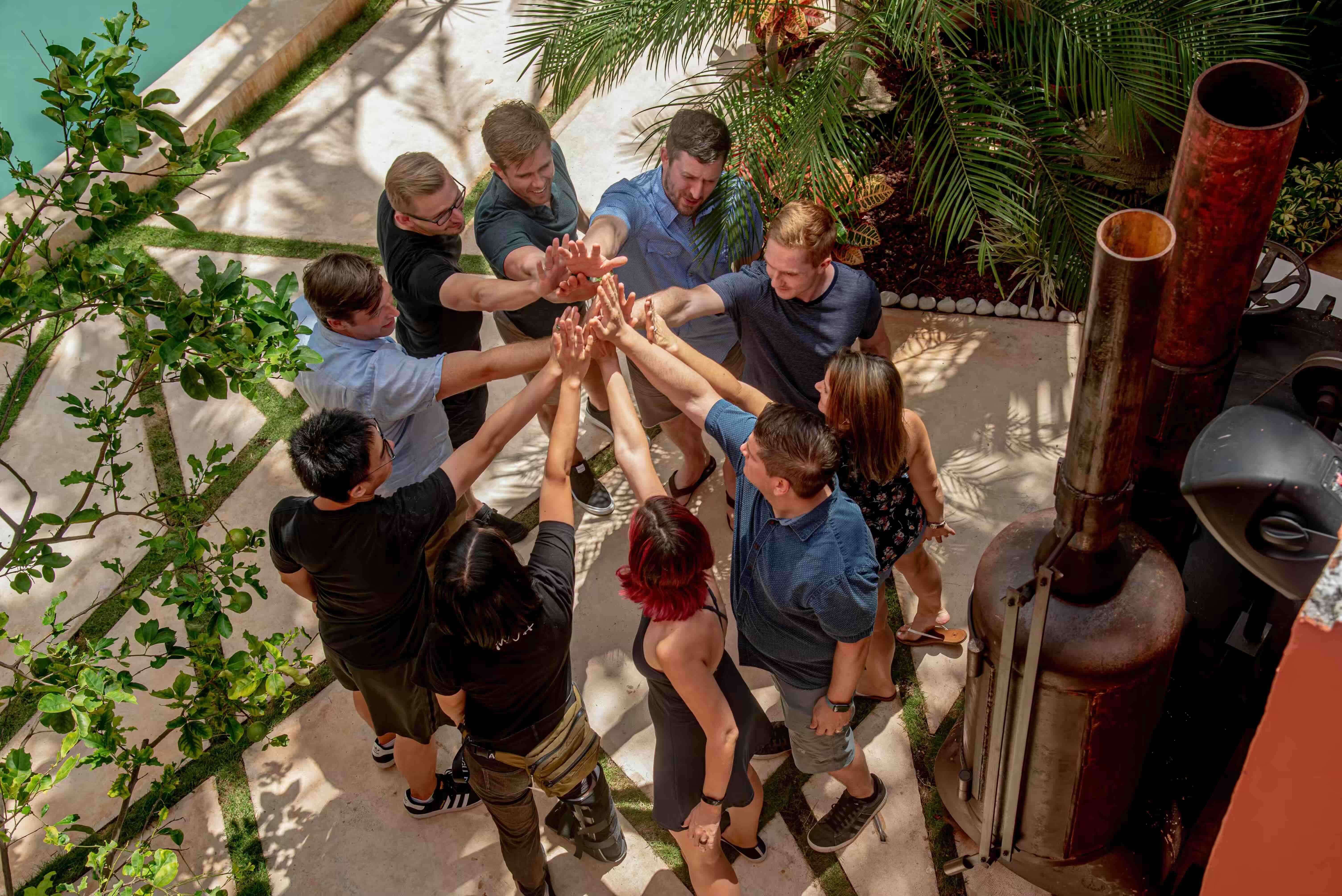
None of this is wrong in itself. People need rituals, and organisations need moments outside their routines. The trouble starts when the experience becomes more memorable than the reason for meeting.
Too many team events are planned around one question: What will people enjoy? The harder question is: What should people understand, change or create together?
What Should Teams Create Together?
A good team event should make room for things that rarely happen in the office: an honest conversation, a new working relationship, a shared sense of purpose, or a disagreement that would otherwise stay politely hidden.
Instead, many events are built so that disagreement never gets a chance to surface. Neutral venues. Neutral activities. Neutral language. Everyone joins in, everyone laughs, everyone leaves with a photo. It is the workplace version of diplomatic architecture: carefully balanced, easy to access, and almost impossible to object to.
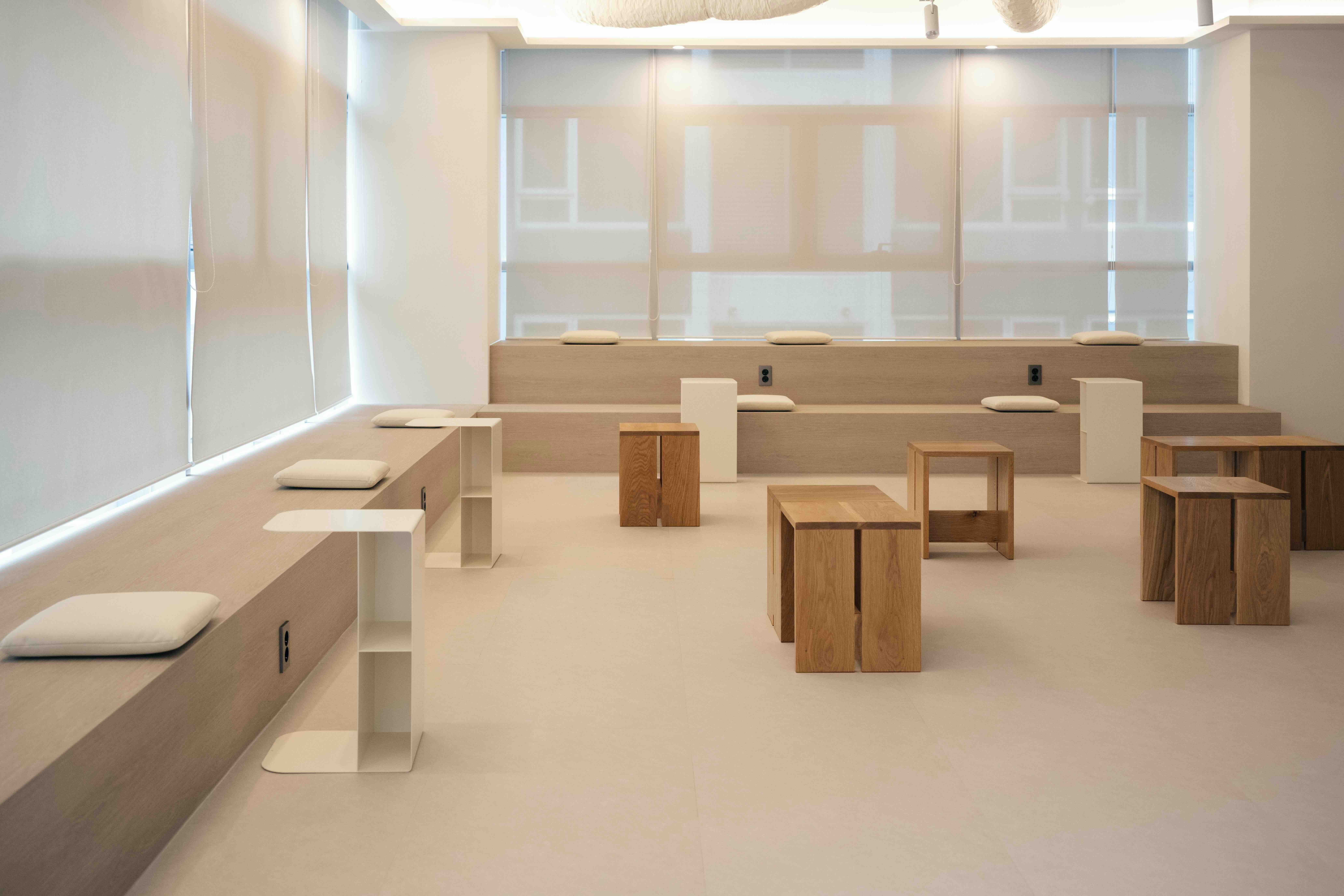
Design A Square, Not A Ride
The answer is not to scrap the team event. It is to make it less like Disneyland.
Architecture offers a useful lesson.
The best public spaces rarely tell people what to do. They set a frame and let people fill it. A good square or courtyard can hold a celebration, an argument, a quiet moment or a chance meeting without prescribing any of them.
Team events can work the same way.
- Leave some hours empty.
- Let conversations form instead of assigning groups.
- Replace the imported puzzle with a real problem from the organisation.
- End with an open question rather than a motivational speech, and give the people who need closure something to hold on to: someone who owns the question and a date to come back to it.
This matters because teams are not uniform. Some people think best out loud; others need time alone first. Some want structure; others do their best work when the plan runs out. A tightly scripted day serves one end of those spectrums and quietly sidelines the other. A well-designed space leaves room for both.
The goal is not to make people feel like a team for 48 hours. It is to give them a reason to act like one afterwards.
There is still a place for escape. Not every team needs to spend its annual gathering at a whiteboard, and sometimes a day at a theme park is exactly what people need. But if the purpose is connection, entertainment alone is a blunt tool.
The best team events may look less like theme parks and more like good architecture: thoughtfully designed, generous with space, able to hold different personalities, and open enough for something unexpected to happen.
The most successful team event isn't always the one people remember. It's the one that changes what happens when they get back to work.
Before you book the venue, ask two questions:
- What does your team need to leave with?
- How differently do its people get there?
teamscape maps how your team prefers to interact, use resources, decide and think, so you can design for the team you have.